20 Insightful Quotes About goldcoastgaragedoorrepair.com.au garage door repairs
Garage Door Roller Replacement – Complete Guide (2026)
Replacing worn or damaged garage door rollers is essential for maintaining smooth operation, reducing noise, and extending the life of your garage door. Whether you are a DIY enthusiast eager to tackle the job yourself or looking to understand when to call a professional, this comprehensive guide covers everything you need to know about garage door roller replacement.Understanding Garage Door Rollers and Their Function
Garage door rollers are small wheels attached to the sides of garage door panels by roller brackets. They run inside the garage door tracks to guide the door smoothly during opening and closing. Rollers come in various materials such as steel, nylon, and bearing rollers, each affecting performance and durability.
The correct roller size and diameter are critical for proper fit and function, ensuring your garage door operates without sticking or misalignment. These components are a vital part of your garage door hardware, working closely with springs, cables, and hinges to maintain optimal door balance and movement.
Understanding the function of rollers helps homeowners recognise signs of wear and decide on timely maintenance or replacement, improving garage door performance and safety.
Signs You Need Garage Door Roller Replacement
Roller wear can cause several operational issues. Recognising these early symptoms can prevent extensive damage to other garage door parts:
- Excessive Garage Door Noise: Loud grinding or squeaking sounds indicate worn or damaged rollers.
- Imbalanced Garage Door: The door may feel uneven or tilt while opening or closing, showing roller deterioration.
- Difficulty Opening or Closing: Sticking or jerky movement often points to faulty rollers obstructing smooth operation.
- Visible Roller Damage: Cracks, flat spots, or missing parts on rollers or brackets suggest immediate replacement.
- Misaligned Garage Door Tracks: Warped or bent tracks alongside roller problems disrupt door balance and motion.
If any of these issues become apparent, inspecting and replacing garage door rollers promptly will help maintain safety and prevent further repair costs.
Types of Garage Door Rollers: Pros and Cons
Choosing the right roller type is crucial for balancing durability, noise reduction, and maintenance needs. Below are common roller options:
- Steel Rollers: Extremely durable and long-lasting. However, they tend to be noisy and require regular lubrication to prevent squeaking.
- Nylon Rollers: Quieter than steel, offering smooth and silent operation. They resist corrosion but may wear out faster under heavy use.
- Bearing Rollers: Equipped with ball bearings, these rollers provide smooth, efficient movement and reduced noise. They are typically more expensive but highly durable.
Consider your garage door’s weight, frequency of use, and noise sensitivity when selecting rollers. Proper maintenance enhances the lifespan regardless of material.
Tools and Materials Needed for Roller Replacement
Before starting your garage door roller replacement, gather the following essential tools and materials to ensure a smooth process:
- Safety gloves and protective eyewear
- Winding bars or torsion spring tension tools
- Adjustable wrench and socket set
- Screwdrivers (flathead and Phillips)
- Pliers and lubricant suitable for garage door hardware
- Replacement rollers matching your door's specifications
- Roller brackets and any additional mounting clips as needed
- Step ladder or sturdy platform for safe access
Having the right tools increases efficiency and ensures safety throughout the replacement process.
Step-by-Step Guide to Replacing Garage Door Rollers
Safety Precautions Before Starting
Working with garage doors involves risks, especially around springs and cables. Before proceeding, follow these safety measures:
- Disconnect the garage door opener to prevent accidental activation.
- Engage locking pliers on the tracks to hold the door in place.
- Be aware of the high tension in torsion springs and extension springs; improper handling can cause serious injuries.
- Wear safety gloves and eye protection to guard against sharp edges or debris.
- Never attempt to adjust springs unless you are a trained professional.
Removing Old Rollers
Start by carefully inspecting the garage door panels and hinges near the rollers you want to replace. Use these steps:
- Lift the door manually until the panel with the roller is accessible.
- Remove the hinge bolts or screws attaching the roller bracket.
- Slide the old rollers out of the track gently to avoid bending the track.
- Take care not to strain the door cables or damage adjacent panels.
Installing New Rollers
Once the old rollers are removed, install the new ones as follows:
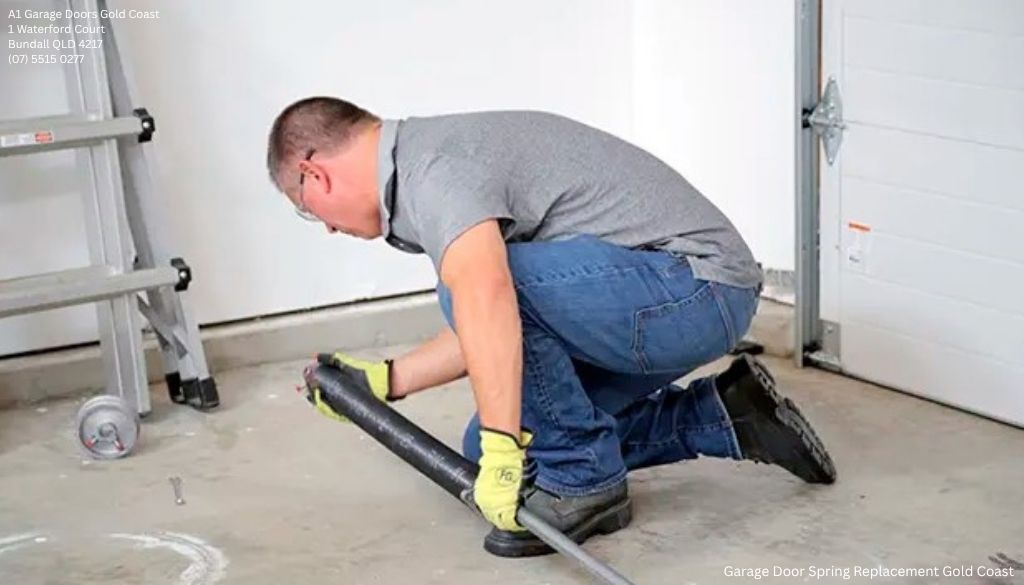
- Check the roller size and diameter to confirm compatibility with your door model.
- Insert the new rollers into the track and attach them securely into the roller brackets on the door panels.
- Tighten all bolts and screws firmly but avoid over-tightening that may restrict roller movement.
- Ensure alignment is straight to prevent future binding or uneven wear.
Lubrication and Maintenance After Replacement
After installing new rollers, apply proper lubrication to enhance longevity and smooth operation:
- Use silicone-based or garage-door-specific lubricants on rollers and hinges.
- Avoid heavy grease which can attract dirt and cause buildup on tracks.
- Regularly inspect and lubricate your garage door hardware every six months.
- Check door alignment periodically and adjust if necessary to distribute load evenly.
Professional Garage Door Roller Replacement Services: When to Call a Pro
While many homeowners perform roller replacements themselves, certain situations warrant professional service:
- Complex or heavy garage doors with high-tension torsion springs.
- Signs of damage beyond rollers, including cables, springs, or tracks.
- Repeated roller failures indicating systemic mechanical problems.
- Lack of proper tools or confidence to safely manage door tension and alignment.
- Desire to maintain warranty compliance or receive expert consultation on door upgrades.
Professionally trained technicians provide safe, efficient repairs with guarantees, offering peace of mind and extending garage door lifespan. Costs vary depending on roller types, door size, and service complexity.
Common Garage Door Roller Problems and Troubleshooting Tips
Even after replacement, some problems may arise. Here are typical issues and their solutions:
- Persistent Noise: Check for dirt buildup or insufficient lubrication; clean tracks and reapply lubricant.
- Door Imbalance: Inspect roller alignment and door springs; imbalance may require professional adjustment.
- Track Obstructions: Remove debris or dents from tracks impeding roller movement.
- Unusual Vibrations: Tighten loose brackets or replace worn hardware components.
- Sensor Malfunctions: Ensure garage door sensors are aligned and free of obstructions for automatic doors.
Improving Garage Door Performance After Roller Replacement
To maximise your garage door’s functionality and durability, consider these performance enhancements post-roller replacement:
- Proper Garage Door Alignment: Adjust tracks and panels so the door moves smoothly without resistance.
- Optimise Garage Door Tension: Balanced spring tension helps reduce strain on rollers and opener mechanisms.
- Seal Gaps With Weatherstripping: Enhance insulation and prevent dust or moisture ingress.
- Check Garage Door Insulation: Reducing temperature fluctuations protects door materials and hardware.
- Routine Garage Door Maintenance: Regular cleaning, lubrication, and inspection extend the life span of rollers and other parts.
These steps contribute to quieter operation, energy efficiency, and overall safety.
Frequently Asked Questions About Garage Door Roller Replacement
How often should garage door rollers be replaced?
Typically, rollers last between 7 to 12 years depending on usage, material, and maintenance. Nylon rollers usually wear out sooner than steel or bearing rollers. Regular inspections help determine the right time for replacement.
Can I replace garage door rollers myself or should I hire a professional?
DIY roller replacement is feasible for those with basic mechanical skills and proper tools, especially on lighter doors. However, if your garage door has high-tension springs or shows complex issues, hiring a professional is safer.
What types of rollers are best for reducing garage door noise?
Nylon and bearing rollers offer quieter operation compared to steel rollers. Bearing rollers also provide smoother motion, reducing vibration noise effectively.
How do I know if my garage door rollers are the wrong size?
Incorrect roller size causes poor fitment and door misalignment. Compare the diameter and length of new rollers against old ones or measure existing track dimensions to ensure compatibility.
What tools do I need to replace garage door rollers?
Essential tools include winding bars for spring tension, wrenches, screwdrivers, pliers, lubricant, safety gloves, and a ladder. Having a complete toolset simplifies the job and improves safety.
How much does it cost to replace garage door rollers professionally?
Professional roller replacement costs range from $150 to $400 approximately, depending on roller type, door size, labour fees, and additional repairs required.
What safety precautions should I take when replacing garage door rollers?
Always disconnect power to the opener, secure the door to prevent movement, avoid adjusting springs unless qualified, wear protective gear, and work with assistance when handling heavy doors.
Can worn rollers cause damage to other garage door parts?
Yes, damaged rollers can stress garage door tracks, hinges, springs, and cables, leading to costly repairs and safety hazards.
How do I maintain new garage door rollers to extend their lifespan?
Regular cleaning, lubricating rollers and hinges with appropriate lubricants, inspecting for signs of wear, and keeping tracks clear of debris help prolong roller life goldcoastgaragedoorrepair.com.au garage door repairs and maintain smooth garage door operation.
ConclusionGarage door roller replacement is a vital maintenance task to ensure your garage door operates quietly, safely, and efficiently. By understanding the types of rollers, recognising when replacements are needed, and following step-by-step procedures with proper safety measures, you can save money through DIY repairs or make informed decisions when hiring professional services. Remember, regular maintenance and timely replacement of worn rollers significantly extend your garage door’s lifespan and performance.
If you notice persistent noise, imbalance, or difficulty operating your garage door, inspecting and replacing rollers promptly should be your priority. For complex repairs or concerns about door safety, always consult certified garage door technicians who adhere to industry standards and safety regulations.
Take action today to restore your garage door’s smooth function and enjoy peace of mind knowing your home’s entryway is secure and well-maintained.